



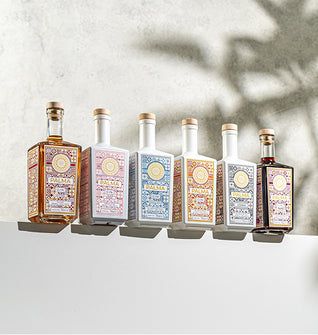


Gin or Vodka? Find Your Perfect Palma Spirit


Palma Gin vs Palma Vodka: Which Spirit Suits Your Taste?
Standing in front of two beautiful bottles and wondering which one belongs in your home bar? You're not alone. Palma Gin and Palma Vodka are both crafted on the same island, in the same handcrafted 500-litre copper pot still, using organic ingredients — yet they deliver completely different drinking experiences. This guide breaks down the differences so you can pick the bottle that truly matches your taste, your favourite serves, and your evening plans.
The Short Answer
If you love bold, aromatic, botanical-driven drinks, Palma Gin is your spirit. If you prefer something clean, smooth, and food-friendly, Palma Vodka is the better fit. Many of our customers end up loving both — for different occasions.
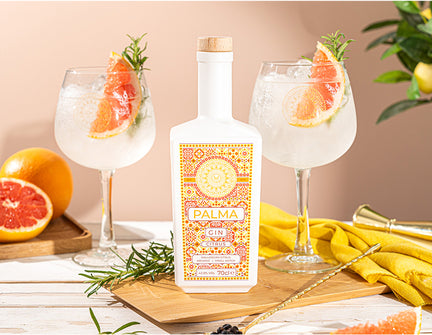
Palma Gin: Bold, Citrus-Forward & Botanical
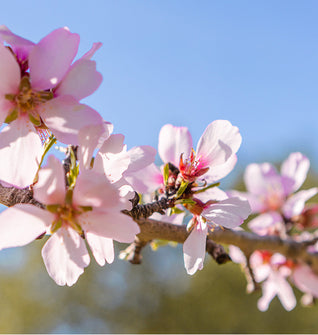
Palma Gin is distilled using 15 hand-selected, organic, and locally foraged botanicals from across Mallorca. Mallorcan juniper forms the core of the flavour, joined by fresh lemon and orange peel, almond flowers foraged once a year before spring, orange leaves, lavender, and a supporting cast of coriander, orris root, cassia bark, cardamom, angelica root, liquorice root, and rhubarb root.
Flavour profile: Dry, citrus-led, and delicately floral, with a smooth, rounded finish. ABV: 46.6% Best for: People who enjoy a drink with real character — gin's botanicals mean every sip has layers of aroma and taste. Best serve: A classic Palma & Tonic with orange and lime, or any cocktail where you want the spirit itself to shine through.

Palma Vodka: Clean, Smooth & Subtly Saline
Palma Vodka starts with an organic wheat spirit, blended with Mallorcan water and finished with a touch of Flor de Sal — hand-harvested sea salt from the Es Trenc salt pans, dried slowly under the island sun. The result is a vodka with a soft, slightly sweet character, gentle vanilla and black peppercorn on the nose, and a mineral, faintly salty finish.
Flavour profile: Smooth and well-rounded, with a subtle sweetness and a distinctive touch of sea salt. ABV: 40% Best for: People who prefer a cleaner base spirit that lets mixers, citrus, or coffee take the lead — vodka is famously versatile. Best serve: A simple Vodka Tonic, a Moscow Mule, or an Espresso Martini, where the vodka's smoothness supports rather than dominates.

Gin vs Vodka: Quick Comparison
| Palma Gin | Palma Vodka | |
|---|---|---|
| Base | Organic neutral spirit + 15 botanicals | Organic wheat spirit |
| Signature ingredient | Locally foraged juniper & citrus | Mallorcan Flor de Sal sea salt |
| ABV | 46.6% | 40% |
| Flavour | Aromatic, dry, citrus-forward | Smooth, subtly sweet, mineral |
| Ideal for | Drinkers who love bold, layered flavour | Drinkers who prefer a clean, versatile base |
| Signature serve | Gin & Tonic | Vodka Tonic / Moscow Mule |
Still Can't Decide?
You don't have to choose just one. Many of our customers keep both Palma Gin and Palma Vodka on hand — gin for evenings when they want something aromatic and characterful, vodka for lighter, food-friendly serves or coffee cocktails. If you'd like to try both, our Complete Collection Set is the easiest way to explore the full range without committing to a single bottle.
Whichever you choose, both spirits are distilled with the same care, the same organic standards, and the same goal: to capture the true taste of Mallorca in every glass.

Frequently Asked Questions
Is Palma Gin or Palma Vodka stronger? Palma Gin has a higher ABV at 46.6%, compared to Palma Vodka at 40%.
Which is better for mixing with tonic water? Both work beautifully with tonic. Palma Gin gives a more aromatic, botanical G&T, while Palma Vodka with tonic offers a cleaner, more neutral drink.
Can I taste the sea salt in Palma Vodka? Yes, subtly. The Flor de Sal adds a gentle mineral, slightly salty note to the finish, rather than an overtly salty taste.
Which spirit is more versatile in cocktails? Vodka is generally considered more versatile because of its neutral base, making it a flexible canvas for citrus, coffee, or spice-driven cocktails. Gin offers fewer but more distinctive cocktail styles built around its own botanical character.


