





Vodka vs. Gin – What’s the Real Difference?


Two Spirits. One Question.
At first glance, vodka and gin look identical — clear, elegant, and versatile. Yet behind that crystal clarity lies a world of difference.
One is neutral and pure. The other, aromatic and expressive.
So what’s the real difference between vodka and gin? Let’s explore ingredients, taste, and how each spirit earns its character — with examples from Mallorca’s own handcrafted collection, Palma Gin and Palma Vodka.
The Core Difference
It all starts with botanicals.
-
Vodka is distilled to be pure and neutral.
-
Gin begins as a neutral spirit, but then it’s infused with botanicals — mainly juniper berries, plus herbs, citrus, and spices.
Think of vodka as a blank canvas. Gin is that same canvas painted with layers of flavor.
Both are made through distillation, but gin goes one step further: the addition of botanicals during or after distillation gives it aroma, complexity, and personality.
The Story Behind Vodka
Vodka has roots in Eastern Europe, where it was traditionally made from grains or potatoes. The goal was simple: create a clean, smooth spirit that could mix easily or be enjoyed neat.
Modern premium vodkas, like Palma Vodka, follow that same philosophy — clarity, balance, and softness.
What makes Palma Vodka special is its Mediterranean touch. It’s distilled with organic wheat and blended with pure Mallorcan water and a touch of Flor de Sal from the South-West coast of Mallorca. The result? A silky texture with a hint of sweetness and a whisper of sea air.
Vodka’s beauty lies in its neutrality. It enhances other flavors without overpowering them, which is why it’s the base for so many beloved cocktails — from the Martini to the Cosmopolitan.
The Story Behind Gin
Gin’s roots go back to the Netherlands and England, where it evolved from medicinal spirits flavored with juniper. Over time, it became a symbol of British craftsmanship and flavor innovation.
Today, gin is defined by its botanicals — natural ingredients that shape its aroma and taste.
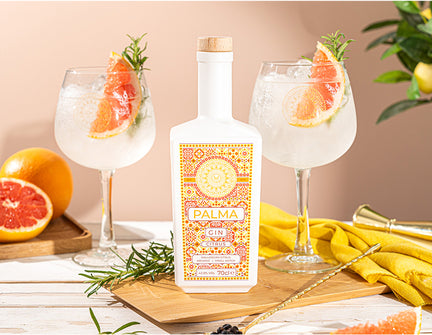
A great example is Palma Gin, a handcrafted gin from Mallorca distilled with organic juniper, almond blossom, fresh orange and lemon peel, and lavender. Every sip reflects the island’s Mediterranean landscape — bright, floral, and smooth.
Unlike vodka, gin invites creativity. Each distiller creates a unique recipe, resulting in endless styles — London Dry, Old Tom, citrus-forward, spiced, or floral.

Ingredients: Simplicity vs. Expression
Let’s break down the main ingredients that separate vodka and gin.
|
Spirit |
Main Base |
Flavour Additions |
Result |
|
Vodka |
Grain, potato, or fruit |
None (neutral) |
Smooth, clean, subtle |
|
Gin |
Neutral spirit (often grain) |
Juniper, herbs, citrus, spices |
Aromatic, complex, flavorful |
Vodka = purity.
Gin = personality.
If vodka is the quiet minimalist, gin is the expressive artist.
The Distillation Process
Both spirits start the same way: fermentation and distillation.
But the key difference happens after distillation.
For Vodka:
Producers aim for neutrality. The spirit is distilled multiple times and filtered — sometimes through charcoal or quartz — to remove impurities and flavor.
The goal: a smooth, clean taste that disappears on the palate.
For Gin:
Distillers add botanicals either during distillation (through vapor infusion) or afterward (by maceration).
At Mallorca Distillery, for example, Palma Gin is vapor-distilled in traditional a 500 liter copper still called Luna. Each botanical is carefully layered to ensure harmony — juniper first, then citrus, then delicate floral notes.
The goal: a gin that tells a story with every aroma.
Taste: Subtle vs. Complex
When you taste vodka, you’ll notice how light and smooth it feels. It’s not designed to dominate; it complements.
Gin, on the other hand, engages your senses.
You smell it first — fresh citrus, herbs, flowers. Then you taste layers of flavor, each one distinct yet balanced.
Palma Gin, for instance, begins with juniper and citrus, followed by almond blossom sweetness and a clean earthy finish. It’s elegant and vibrant, much like the island it comes from.
Vodka refreshes. Gin inspires.
How They’re Used in Cocktails
Both spirits shine in mixology, but they serve different roles.
Vodka in Cocktails:
Vodka’s neutrality makes it the foundation of many classics:
-
Vodka Martini
-
Moscow Mule
-
Bloody Mary
-
Cosmopolitan
It blends seamlessly with fruit juices, herbs, or spices. Its job is to enhance, not compete.
Gin in Cocktails:
Gin brings flavor to the forefront:
-
Gin & Tonic
-
Negroni
-
Tom Collins
-
Martini (the gin version)
Each gin cocktail highlights the spirit’s botanical complexity. Palma Gin, for example, creates a Mediterranean Gin & Tonic that tastes like sunshine — with fresh lemon, rosemary, and a splash of premium tonic.

Aroma and Character
Aroma is where the biggest difference lies.
Vodka has a subtle scent — sometimes slightly sweet, creamy, or grainy.
Gin bursts with aroma — citrus, herbs, florals, and spice.
Here’s how it feels:
-
Vodka whispers.
-
Gin sings.
One offers stillness; the other, melody.
Both are beautiful — it just depends on your mood and moment.
Cultural Identity
Vodka and gin also tell different cultural stories.
Vodka speaks of simplicity and tradition — from Russia, Poland, and Scandinavia. It represents purity, clarity, and minimalism.
Gin embodies exploration and creativity — from London’s gin palaces to Mallorca’s modern craft distilleries. It’s about experimentation and expression.
Palma Gin and Palma Vodka blend both worlds: old-world craft with Mediterranean elegance. They share a commitment to quality, sustainability, and authenticity.
Health and Calorie Comparison
Both spirits are relatively low in calories — about 95–105 calories per 50 ml.
However, gin often has an advantage when mixed with lighter tonics or soda, especially when paired with natural botanicals that add flavor without sugar.
Vodka can remain calorie-neutral depending on the mixer (for example, soda water vs. juice).
In short:
-
Vodka + soda → crisp and light.
-
Gin + tonic → flavorful and refreshing.
Choose the one that fits your taste and occasion.
Which One Is Right for You?
It depends on your personality and mood.
-
If you love clean, neutral spirits that adapt to any mixer — choose vodka.
-
If you prefer aromatic, flavorful experiences — go for gin.
Both can be premium, artisanal, and refined when crafted with care — like Palma Distillery’s line of organic spirits.
Looking for balance? Keep both on your shelf. Start your evening with a Vodka Martini, and finish with a Gin & Tonic under the stars.
Palma Vodka: Purity Redefined
Palma Vodka isn’t your average vodka. It’s distilled using organic wheat, then blended with water naturally filtered through the limestone mountains of Mallorca and enhanced with a touch of Flor de Sal for balance.
This gives it a smooth mouthfeel and subtle sweetness — the kind that lingers softly. It’s clean, but not empty. Simple, but elegant.
Try it in a Vodka Collins or enjoy it neat — chilled, pure, and unmistakably Mediterranean.

Palma Gin: The Spirit of the Island
Palma Gin is more than a spirit — it’s a journey through Mallorca’s landscapes.
Distilled in a custom 500 liter copper pot still with organic botanicals like juniper, fresh citrus, almond flowers, lavender, and orange leaves, it captures the island’s soul in every sip.
Its aroma is bright and floral. Its flavor, balanced and smooth. Whether mixed in a Negroni or served simply with tonic and citrus, Palma Gin turns any moment into something special.
Expert Tip: Combine the Two
For mixology lovers, blending gin and vodka in the same drink can create new depth.
Try a Gin-Vodka Martini:
-
30 ml Palma Gin
-
30 ml Palma Vodka
-
10 ml dry vermouth
Stir with ice and strain into a chilled glass. Garnish with a lemon twist.
The result? Silky smooth with a botanical lift — the best of both worlds.
Sustainability and Craftsmanship
Both Palma Gin and Palma Vodka come from Mallorca Distillery, where sustainability is part of the process.
-
100% organic ingredients.
-
Local sourcing wherever possible.
-
Eco-friendly packaging.
-
Solar-powered production methods.
Every bottle supports ethical craftsmanship and local agriculture — something that makes your drink taste even better.
Final Thoughts
So, what is the difference between vodka and gin?
In short: purity versus personality.
Vodka is neutral, clean, and versatile — a blank canvas for creativity.
Gin is expressive, aromatic, and layered — a celebration of flavor and craft.
When made with care, both can be exceptional.
At Mallorca Distillery, these two spirits come together as equals — Palma Vodka for clarity and Palma Gin for character.
Each bottle is a tribute to the Mediterranean: pure water, local botanicals, and island artistry.
So whether you’re a gin enthusiast or a vodka purist, one thing’s certain — both share the same heart: craftsmanship, authenticity, and a love for simple perfection.


