






Organic Gin vs Regular Gin – What's the Difference?


What Is Organic Gin? Everything You Need to Know
Estimated reading time: 6 minutes
Table of Contents
-
What is organic gin?
-
What is regular gin?
-
Organic gin vs regular gin: the key differences
-
Does organic gin taste different?
-
Why ingredients matter in premium gin
-
How organic production fits the Mallorca Distillery philosophy
-
How to enjoy organic gin
-
Final thoughts
-
FAQ
The Difference Between Organic Gin and Regular Gin
Gin has become one of the most exciting spirits in the world. From classic London Dry styles to modern Mediterranean expressions, there is now a gin for almost every taste. But one question is becoming more common among curious drinkers: what is the difference between organic gin and regular gin?
At first glance, both may look similar in the bottle. Both are distilled spirits. Both are built around juniper. Both can be enjoyed in a Gin & Tonic, a Martini, or a refreshing cocktail. The real difference lies in the ingredients, the production philosophy, and the level of care behind each bottle.
For anyone who values authenticity, natural flavour, and thoughtful craftsmanship, organic gin offers a more conscious way to enjoy this classic spirit.
What is organic gin?
Organic gin is gin made with ingredients that meet organic production standards. This usually means the botanicals and agricultural ingredients are grown without synthetic pesticides, artificial fertilisers, or unnecessary chemical intervention.
In simple terms, organic gin focuses on purity from the very beginning. The quality of the final spirit starts with the quality of the ingredients.
A premium organic gin is not just about certification. It is about respect for the land, careful sourcing, and a cleaner expression of flavour.
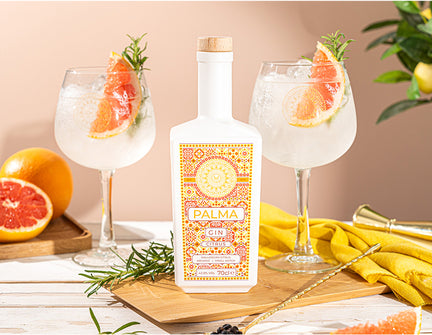
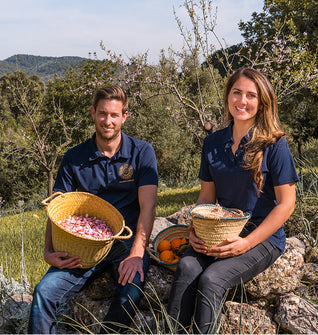
At Mallorca Distillery, this philosophy is central to the way Palma Gin is created. Palma Gin is crafted in Mallorca using organic botanicals, locally foraged ingredients, and fresh citrus fruits from the island’s rural orchards. The result is a fresh, dry, citrus-forward gin with a smooth and delicate finish.

What is regular gin?
Regular gin follows the standard definition of gin: it must be flavoured with juniper and distilled or compounded with other botanicals. These may include citrus peels, spices, roots, flowers, seeds, or other natural flavouring ingredients.
However, regular gin does not necessarily use organic ingredients. The botanicals may come from conventional agriculture, and the production process may not follow the same environmental or ingredient-focused standards as organic spirits.
This does not automatically mean regular gin is low quality. Many excellent gins are not certified organic. But when comparing organic gin and regular gin, the key difference is the standard behind the raw materials and the intention behind the production.
Organic gin vs regular gin: the key differences
The main difference between organic gin and regular gin is not just the label. It is the approach.
1. Ingredient sourcing
Organic gin uses ingredients grown according to organic principles. This places more emphasis on soil health, natural farming methods, and traceable sourcing.
Regular gin can use conventionally grown botanicals, which may vary more widely in origin and farming practices.
2. Flavour purity
Because organic gin relies on carefully sourced botanicals, the flavour can feel cleaner, brighter, and more connected to the ingredients themselves.
In a gin like Palma Gin, fresh citrus, Mallorcan juniper, almond blossom, and other selected botanicals work together to create a balanced Mediterranean character.
3. Production philosophy
Organic gin is often produced by distilleries that care deeply about craftsmanship, sustainability, and small-batch quality.
At Mallorca Distillery, every bottle is made with attention to detail in a bespoke 500-litre copper pot still in Palma. This small-batch approach allows for greater control, balance, and consistency.
4. Environmental responsibility
Organic production is usually linked to more responsible agricultural practices. It supports farming methods that are gentler on the environment and more respectful of local ecosystems.
For a distillery based on an island like Mallorca, this matters. The landscape, climate, and local ingredients are part of the identity of the spirit.
5. Drinking experience
Organic gin often appeals to people who want more than just a drink. They want a product with a story, a sense of place, and a clear commitment to quality.
A regular gin can be enjoyable. But a well-made organic gin can feel more distinctive, more expressive, and more connected to its origin.
Does organic gin taste different?
Organic gin does not have one fixed flavour profile. It can be citrusy, floral, spicy, dry, smooth, bold, or delicate depending on the recipe.
The difference is not that every organic gin tastes the same. The difference is that organic ingredients can help create a more authentic and transparent flavour.
For example, Palma Gin is known for its fresh citrus notes, Mallorcan juniper, and delicate smooth finish. These elements reflect the island itself: bright, vibrant, Mediterranean, and naturally expressive.
When the botanicals are carefully selected and distilled with precision, the result is a gin that feels layered without being heavy.

Why ingredients matter in premium gin
Gin is one of the most ingredient-driven spirits. Unlike vodka, which is often valued for neutrality, gin is defined by aroma and flavour.
That means the botanicals are not just a small detail. They are the heart of the gin.
Juniper gives gin its classic structure. Citrus adds brightness. Roots and spices can bring depth. Flowers can create softness and lift. Every ingredient has a role.
When these ingredients are organic and carefully sourced, the final gin can express them more clearly. This is especially important for premium gin, where balance and complexity matter.
Palma Gin is distilled with fifteen hand-selected botanicals, including Mallorcan juniper, fresh lemon and orange peel, almond flowers, orange leaves, lavender, coriander, orris root, cassia bark, cardamom, angelica root, liquorice root, and rhubarb root.
Together, they create a gin that is fresh, elegant, and unmistakably Mallorcan.
How organic production fits the Mallorca Distillery philosophy
Mallorca Distillery was created to capture the spirit of Mallorca and bring it into every bottle.
The island is more than a beautiful location. It is part of the flavour. The sunshine, citrus orchards, wild landscapes, and Mediterranean climate all influence the character of the gin.
That is why organic production feels like a natural choice. It reflects a deeper respect for the place where the gin is made.
Palma Gin is produced in Mallorca’s first organic craft distillery and distilled in small batches using a traditional copper pot still. This process gives the distillers control over quality while preserving the fresh, vibrant character of the botanicals.
The result is not just an organic gin. It is a gin with a clear identity.
How to enjoy organic gin
A high-quality organic gin can be enjoyed in many ways. The best serve depends on your taste and the occasion.
Organic Gin & Tonic
The classic choice. Use a premium tonic water, plenty of ice, and a simple citrus garnish. This allows the gin’s natural freshness to shine.
Neat or over ice
If you want to understand the full flavour profile, try a small sip neat or over one large ice cube. This is a great way to notice the balance between juniper, citrus, and softer botanical notes.
Martini
Organic gin works beautifully in a Martini because the drink is so simple. With only a few ingredients, the quality of the gin becomes the focus.
Mediterranean cocktails
Fresh citrus, quality vermouth, soda water, and light bitters can all work well with a Mediterranean organic gin. The goal is to complement the gin, not cover it.
Is organic gin worth it?
For many gin lovers, yes.
Organic gin is worth choosing if you care about:
-
high-quality ingredients
-
natural flavour
-
careful production
-
sustainability
-
craftsmanship
-
a stronger sense of origin
It is not only about what is inside the bottle. It is about how the gin was made, where the ingredients come from, and what kind of drinking experience it creates.
A well-made organic gin offers more than refreshment. It offers character.
Final thoughts
So, what is the difference between organic gin and regular gin?
Regular gin is defined by juniper and its botanical recipe. Organic gin goes a step further by focusing on organically sourced ingredients, thoughtful production, and a cleaner expression of flavour.
For those who appreciate quality, authenticity, and a strong connection to place, organic gin is an excellent choice.
If you want to experience a Mediterranean organic gin crafted with care in Mallorca, discover Palma Gin. Made with local botanicals, fresh citrus, and distilled in small batches, it captures the bright, elegant spirit of the island in every glass.
Explore Palma Gin and the full Mallorca Distillery collection to find the perfect bottle for your next Gin & Tonic, cocktail, or slow Mediterranean evening.

FAQ
What is organic gin?
Organic gin is gin made with ingredients that meet organic production standards. It usually focuses on carefully sourced botanicals, natural flavour, and responsible production.
Is organic gin better than regular gin?
Organic gin is not automatically better, but it often reflects a stronger focus on ingredient quality, sustainability, and craftsmanship. For many premium gin lovers, that makes it more appealing.
Does organic gin taste different?
Organic gin can taste cleaner, fresher, and more expressive, depending on the botanicals and distillation method. The flavour still depends on the recipe and style of the gin.
What makes Palma Gin organic?
Palma Gin is crafted at Mallorca Distillery using organic botanicals and local ingredients that reflect the island’s Mediterranean character.
How should you drink organic gin?
Organic gin can be enjoyed in a Gin & Tonic, Martini, cocktails, or simply neat over ice. A high-quality organic gin should be served in a way that lets its natural botanicals shine.
Is organic gin good for cocktails?
Yes. Organic gin is excellent for cocktails because its clean and expressive flavour can add depth, freshness, and balance to classic and modern serves.


