






How to Taste Gin Like a Professional | Gin Tasting Guide


How to Taste Gin Like a Professional
Gin is one of the most complex and fascinating spirits in the world. From classic juniper-forward styles to modern Mediterranean expressions rich in citrus and botanicals, every gin tells a unique story through its aroma, flavor, and finish.
But how do professionals evaluate gin? More importantly, how can you train your own palate to appreciate the subtle details that make a premium gin stand out?
In this guide, you'll learn how to taste gin like a professional, discover the key characteristics to look for, and understand how expert tasters assess quality in every sip.
Why Learning How to Taste Gin Matters
Most people experience gin in cocktails, especially the classic Gin & Tonic. While cocktails are an excellent way to enjoy gin, tasting it properly allows you to understand the craftsmanship behind every bottle.
Professional tasting helps you:
-
Identify individual botanicals
-
Understand balance and complexity
-
Compare different gin styles
-
Recognize quality and craftsmanship
-
Develop your personal preferences
Whether you're new to gin or already a dedicated enthusiast, learning how to taste gin enhances your appreciation of every bottle.
Step 1: Start with the Right Glass
Professional gin tastings typically use a tulip-shaped tasting glass or a copa glass. The shape concentrates aromas and allows you to detect subtle notes more easily.
Avoid using large tumblers or glasses with wide openings, as valuable aromas can quickly dissipate.
Before tasting, pour a small amount of gin and allow it to rest for a minute or two. This helps the aromas open naturally.
Step 2: Observe the Appearance
Unlike whisky or rum, gin is usually crystal clear. However, appearance can still reveal clues about quality.
Look for:
-
Clarity and brightness
-
Absence of particles or sediment
-
Smooth texture when gently swirled
Premium gins often display a silky consistency that hints at careful distillation and balanced botanical extraction.
Step 3: Evaluate the Aroma
The nose is one of the most important aspects of professional gin tasting.
Rather than placing your nose directly into the glass, start by holding it slightly below your nose and take gentle breaths.
Pay attention to:
Juniper
Juniper should remain the defining characteristic of gin. It often presents pine-like, fresh, and slightly resinous aromas.
Citrus Notes
Many Mediterranean gins showcase vibrant citrus aromas such as orange, lemon, and grapefruit.
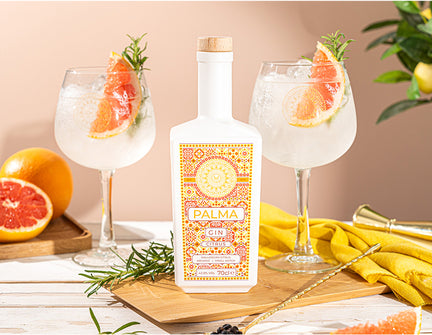
For example, the award-winning Palma Gin highlights bright Mediterranean citrus notes that create a fresh and elegant aromatic profile.

Spice and Botanical Complexity
Professional tasters look for balance between various botanicals. No single element should completely dominate the aroma.
Ask yourself:
-
Is the aroma fresh or heavy?
-
Are the aromas clean and natural?
-
Do different layers appear over time?
Complexity often indicates exceptional craftsmanship.
Step 4: Take a Small First Sip
The first sip is not about flavor analysis. Instead, it prepares your palate.
Take a small sip and allow the gin to coat your tongue.
Focus on:
-
Texture
-
Smoothness
-
Alcohol integration
High-quality gin should feel balanced rather than harsh.
Premium examples such as Palma Citrus Gin often deliver a remarkably smooth mouthfeel combined with vibrant citrus character.
Step 5: Analyze the Flavor Journey
Professional tasters evaluate gin in stages.
The Opening
What flavors appear immediately?
You may notice:
-
Juniper
-
Citrus peel
-
Floral notes
-
Subtle spice
The Mid-Palate
As the gin develops, additional layers often emerge.
Ask yourself:
-
Is the flavor balanced?
-
Do the botanicals work together?
-
Is there depth and complexity?
The Finish
The finish is often where exceptional gin distinguishes itself.
A quality gin should leave a pleasant and memorable aftertaste that encourages another sip.
Look for:
-
Length
-
Smoothness
-
Botanical persistence
-
Overall balance
Step 6: Add a Few Drops of Water
Professional spirit judges often add a small amount of water during tasting.
A few drops can:
-
Reveal hidden aromas
-
Soften alcohol intensity
-
Highlight botanical details
This technique is especially useful when evaluating premium small-batch gins.
You may discover entirely new aromatic layers that were less noticeable before.
Step 7: Compare Different Gin Styles
One of the best ways to develop tasting skills is through comparison.
Try evaluating:
-
Classic London Dry Gin
-
Mediterranean Gin
-
Citrus-forward Gin
-
Rosé Gin
-
Spiced Gin
For example, tasting Palma Rosé Gin alongside a traditional London Dry allows you to appreciate how botanical selection influences the overall experience.
Direct comparison helps train your palate much faster than tasting a single gin in isolation.

Common Mistakes When Tasting Gin
Drinking Too Quickly
Professional tasting requires patience.
Take time to evaluate aroma, texture, flavor, and finish separately.
Using Strong Food Before Tasting
Spicy foods, coffee, and strong flavors can temporarily overwhelm your palate.
For the best results, taste gin with a neutral palate.
Focusing Only on Alcohol Strength
Higher alcohol content does not necessarily mean higher quality.
Experienced tasters focus on balance, complexity, and overall drinking experience.
Ignoring the Aroma
A significant portion of flavor perception comes from smell.
Never skip the nosing stage.
How Professionals Score Gin
While every competition uses slightly different criteria, judges typically evaluate:
| Category | Importance |
|---|---|
| Aroma | High |
| Flavor Balance | High |
| Complexity | High |
| Mouthfeel | Medium |
| Finish | High |
| Overall Impression | High |
The highest-rated gins consistently deliver harmony between all these elements.
Discovering Your Personal Preference
One of the most enjoyable aspects of gin tasting is that there is no single "correct" favorite.
Some people prefer:
-
Citrus-forward profiles
-
Juniper-rich styles
-
Floral expressions
-
Contemporary Mediterranean gins
The more you taste, the better you understand your own preferences.
Exploring the full collection of premium Mallorca gins is an excellent way to experience how different botanical combinations create unique tasting experiences.
Final Thoughts
Learning how to taste gin like a professional is about more than identifying flavors. It is about understanding craftsmanship, appreciating balance, and discovering the stories hidden within every bottle.
By taking time to evaluate aroma, flavor development, texture, and finish, you'll gain a deeper appreciation for what makes premium gin truly exceptional.
The next time you pour a glass, slow down, engage your senses, and experience gin the way professional tasters do—one carefully considered sip at a time.


